

Description
Fitment:
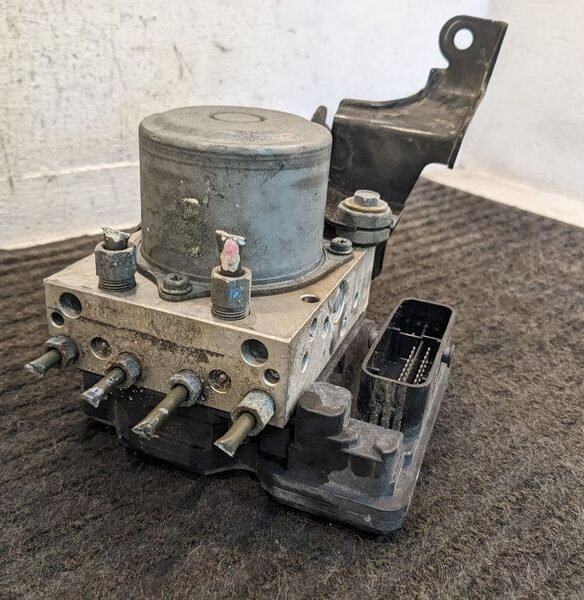
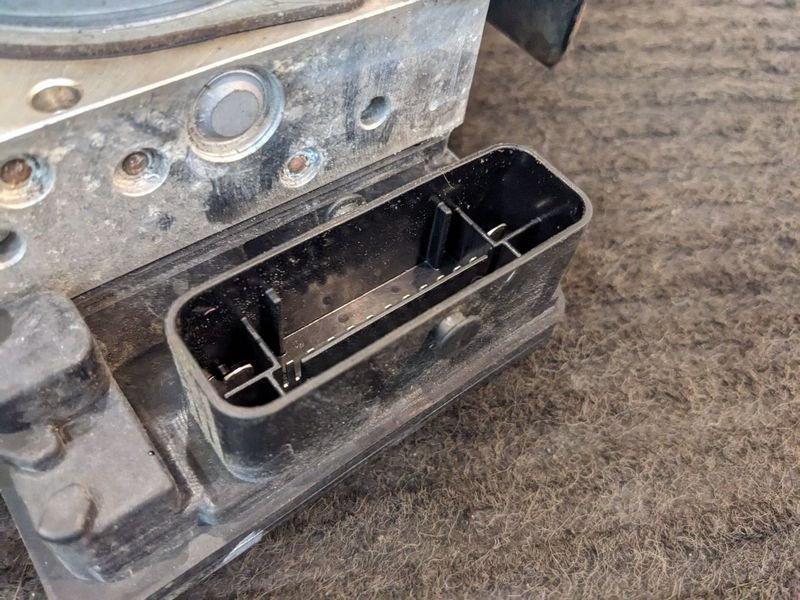
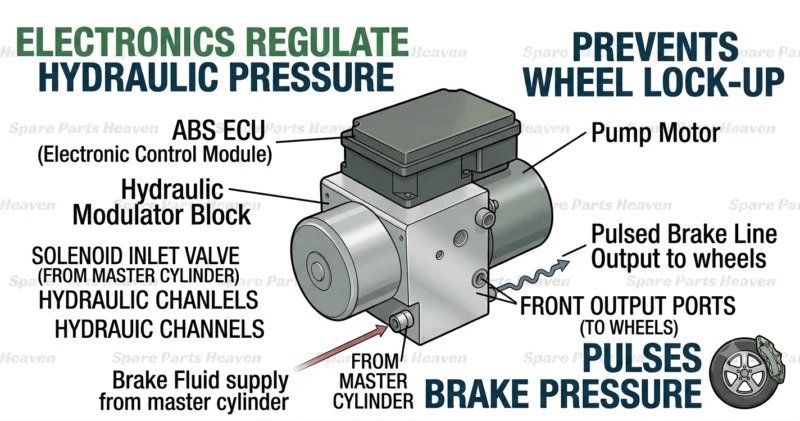
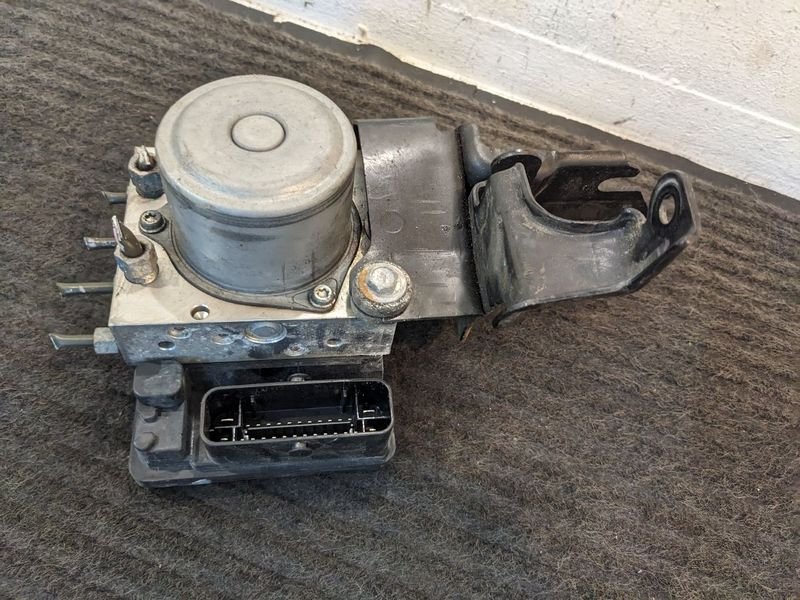
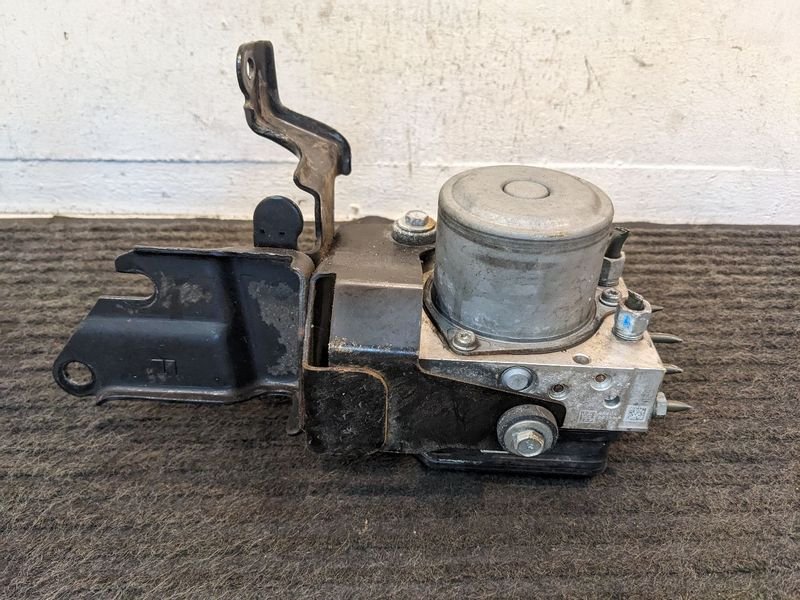
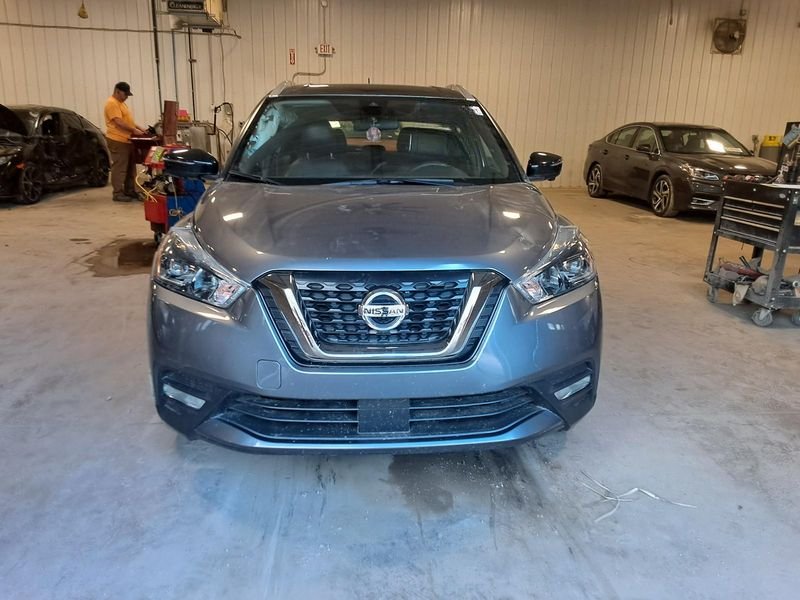
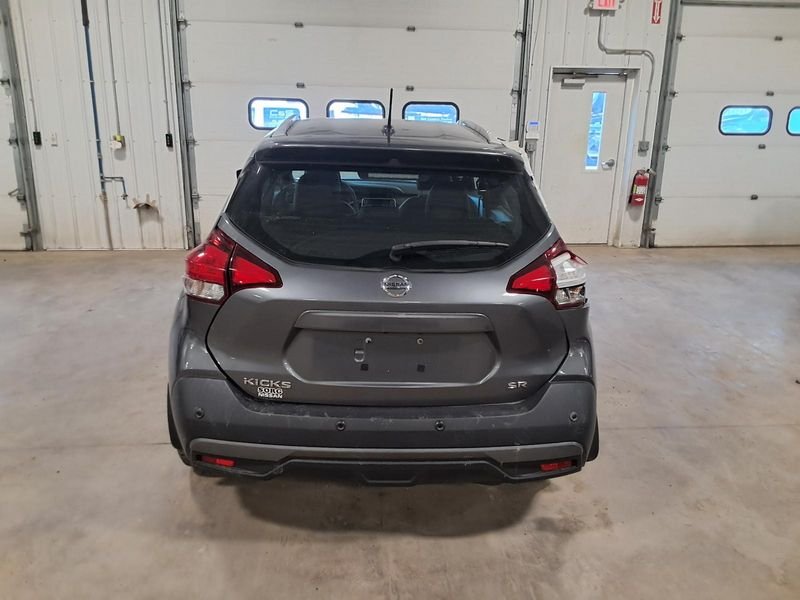
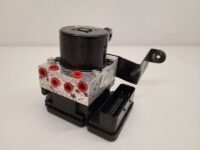
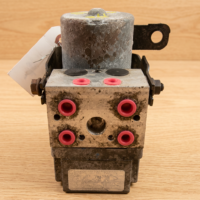
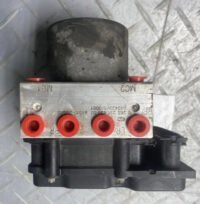
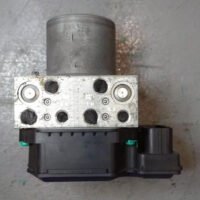
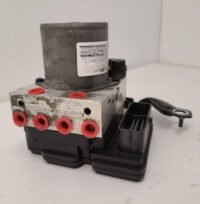
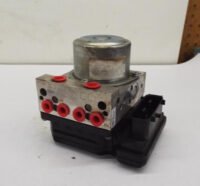
2020 Nissan Kicks Anti-Lock Brake Pump (assembly)
Note:
Bracket is not included with this item.
Policies:
- Pictures & Part numbers are provided for references only.
- You will only receive a part similar to the picture unless otherwise stated in the description.
- Please do not assume anything else will be included if it is not stated in the listing.
- The VIN of the donor vehicle will be provided upon request.
- It is the buyer’s responsibility to verify fitment before purchase.
- Donor vehicle’s VIN # will be provided on the customer’s request.
Warranty:
Most parts we sell come with a 30-day warranty and a 30 day return period unless otherwise stated.
Shipping:
Expedited shipping is available.
Payment:
- All Major Credit & Debit Cards (Visa, Mastercard, Amex, Discover)
- PayPal & PayPal Credit
- Apple Pay
- Google Pay
Feedback:
We strive for 100% customer satisfaction
Contact Us:
For any questions, send us a message and our Customer Service will reply within 24 hours.
 Account
 Categories
 Car filter
 Search
 Compare
 Top
Top
Reviews
There are no reviews yet.